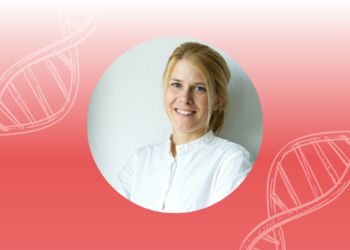


Marie Jose Zemanek is a PhD student at the Weizmann Institute of Science in Israel who received an EACR Travel Fellowship to visit and work at Stanford University in the USA between September and December 2024.
The EACR, with support from Worldwide Cancer Research, provides Travel Fellowships of up to €3,500 to enable early-career cancer researchers to gain new skills through a short-term visit to a lab or research group in another country.
You can read about other Travel Fellows and their experiences here.
 Name: Marie Jose Zemanek
Job title: PhD student
Home institute: Weizmann Institute of Science in Israel
Host institute: Stanford University in the USA
Dates of visit: 23 September – 31 December 2024
Research: Immunotherapy revolutionised cancer treatment by harnessing the immune system to eliminate cancer cells. This approach relies on T cells, a key part of the immune system, recognizing tumour-specific antigens, particularly neoantigens – mutated protein fragments presented by cancer cells. These, along with other tumour-associated peptides, constitute the cancer immunopeptidome. However, our lab has found that under certain conditions, tumors can produce unique, non-mutated, mistranslated peptides that also trigger immune responses. My research focuses on understanding these unique peptides and their role in cancer immunity, with the goal of uncovering new targets for immunotherapy and potentially improving treatment outcomes for cancer patients.
Why did you decide to apply for an EACR Travel Fellowship?
I applied for the EACR Travel Fellowship to deepen my expertise in cancer immunotherapy by learning in vivo CRISPR/Cas9 screens at Stanford University. This experience will enable me to study the effects of translation fidelity on tumour immunogenicity and help me identify novel targets for cancer immunotherapy. The fellowship will enhance the existing collaboration with the Satpathy Lab. It will also enable me to grow scientifically and personally, through discovering a new work environment and building new connections to other researchers.
Why did you choose the host lab?
I chose the Satpathy Lab as my host lab due to its focus on fundamental immune system principles across various contexts, including cancer, and its expertise in developing novel genome-scale technologies. The lab’s experience with large-scale CRISPR screens for testing anti-tumour immunogenicity aligns well with my research goals. Additionally, the strong and established collaboration between the Satpathy and Samuels Labs, which has led to successful publications, further reinforces the value of this partnership. The Satpathy Lab’s innovative approach to cancer immunology will provide me with the ideal environment to advance my PhD project.

What were you able to do that you could not have achieved in your home lab?
My visit to Stanford provided a unique opportunity to learn in vivo CRISPR/Cas9 screening techniques, a method not yet established in our home lab. Acquiring this expertise has enabled me to bring a cutting-edge method back to our lab, benefiting multiple ongoing projects at the Institute and further enhancing the long-term collaboration between the Samuels and Satpathy Labs.
What was a personal highlight of your trip?
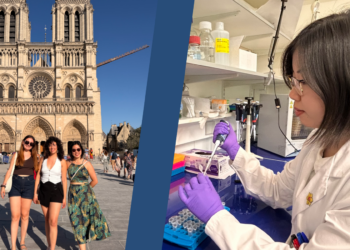
A personal highlight of my trip was the opportunity to explore the incredible nature and landscapes of California. I loved the diversity, from the mountains and ocean to the majestic redwood trees. One of my favourite moments was taking a short drive to Half Moon Bay to watch the sunsets—it was just an hour away from Stanford. I also had the chance to visit the redwood forests and even the desert in Death Valley. These places were not only beautiful but also offered a peaceful escape, helping me recharge and find a balance between my research and nature.
Was the host institution very different from your own?
The host institution was notably different from my home lab in several ways. It fostered a more independent approach, encouraging me to learn by doing and grow from my mistakes. Despite this independence, I greatly appreciated the guidance from my PI during my visit, particularly through our weekly meetings. The host lab was also much larger, creating a vibrant environment with people from diverse fields and areas of expertise. This diversity was incredibly enriching, offering many opportunities for collaboration and learning.

How has the trip inspired you in your research?
The trip inspired me to adopt a ‘dream big, everything is possible’ mindset, which has influenced how I approach my research goals. I was particularly inspired by the collaborative and social atmosphere in the lab, as well as the emphasis on independence, which helped boost my self-confidence as a researcher. Being in Silicon Valley, a hub of technological innovation, also encouraged me to think more openly about integrating AI and advanced technical solutions into my work, broadening the scope of my research approach.
How has this visit been beneficial to your research and your career?
My visit at the Satpathy Lab has significantly advanced both my research and professional development. I acquired a diverse array of molecular biology and immunology techniques, including CRISPR gRNA design, library cloning, amplification, and the generation of CRISPR-edited cells. Beyond technical expertise, the experience boosted my confidence as a young researcher, expanded my professional network through valuable connections with other scientists, and provided an opportunity to improve my English communication skills in a scientific context. Overall, this visit was instrumental in progressing my PhD project and deepening my understanding of cancer immunogenomics.
Want to find out more?

If you are interested in applying for the Travel Fellowship scheme, please click here for more information: EACR Travel Fellowships.