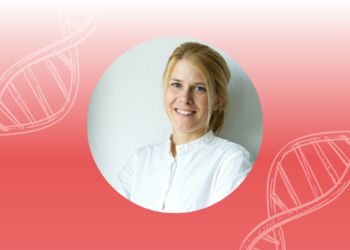

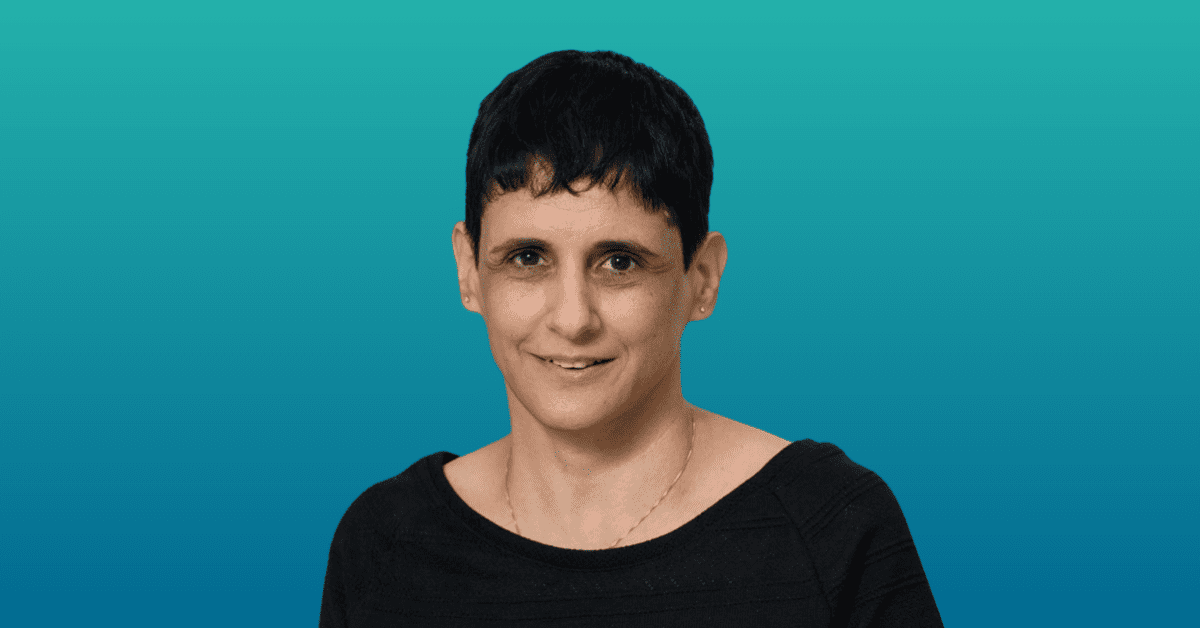
Ayelet Erez (Weizmann Institute of Science, Israel) is the 2026 recipient of the Pezcoller-Marina Larcher Fogazzaro-EACR Women in Cancer Research Award. This award celebrates a cancer researcher of any gender who has demonstrated academic excellence and achievements in the field of cancer research and who has, through leadership or by example, furthered the advancement of women in cancer research. We recently had the pleasure of speaking with her about her journey in the cancer research community. She offers invaluable advice for early-career researchers and shares the key qualities she values in new recruits to her lab.
What is your current research about?
My research focuses on the tumour macroenvironment, the systemic and tissue-level factors such as immunity, metabolism, inflammation, and organ-specific physiology that shape tumour behavior beyond the cancer cell itself. I am excited by this area because it bridges clinical observations with fundamental biology, offering a more holistic understanding of why cancers progress, metastasise, or respond differently to therapy across patients. As a physician-scientist, studying the tumour macroenvironment allows me to directly connect patient phenotypes with mechanistic insights, and to translate those discoveries into more precise, durable, and patient-centered therapeutic strategies.
What’s the best thing about your work?
What I value most about my work is the balance between the actual caring for patients and pursuing research. When an experiment fails, returning to the clinic reminds me why the questions matter and likewise, when I cannot offer patients or their families the outcomes we hope for, I turn back to research for perspective and motivation. These shifts between the bedside and the laboratory help sustain my commitment, allowing setbacks in one space to inform and strengthen my efforts in the other, with the long-term goal of improving care.
When did you know you wanted to be a scientist and was your career path planned out in any way?
My desire to become a researcher began when a child I cared for as a pediatrician was hospitalised with a severe genetic disease, and I found myself unable to fully understand the scientific paper describing how the responsible gene had been cloned and how its mutation caused the illness. That moment of frustration and curiosity marked a pivotal turning point in my medical career, motivating me to formally integrate research into my path. It made me realise that I wanted to bridge the gap between clinical questions and basic research by learning the language of molecular biology, so that I could not only understand these mechanisms myself, but also translate complex mechanistic insights into meaningful diagnostic and therapeutic advances in patient care.
“Curiosity drives meaningful questions, communication enables collaboration, and motivation sustains effort through challenging periods.”
What’s the best piece of career advice you were ever given?
Some advice I would give someone who is starting a research career is to recognise from the early start that it is a journey rather than a race toward a single endpoint. Once you internalise that perspective, you allow yourself the patience to learn, make mistakes, and grow with the process, understanding that each stage is part of a continuous learning experience. Approaching the path with humility and remaining open to learning helps sustain curiosity and resilience. When the focus shifts from reaching a specific goal to developing over time, the learning journey itself becomes the greatest reward.
What qualities do you look for when you’re hiring new scientists to your lab?
The most important qualities I look for in students are curiosity, strong communication skills, motivation, creativity, and resilience. Curiosity drives meaningful questions, communication enables collaboration, and motivation sustains effort through challenging periods. Resilience and creativity are especially important in research, allowing students to learn from setbacks, adapt, and approach problems with fresh perspectives.
How important is networking in science?
Networking is an essential part of advancing research because great ideas rarely move forward in isolation. Conversations at conferences, over coffee, or in informal settings often spark new collaborations, challenge assumptions, and open unexpected doors. When approached with curiosity and generosity, networking becomes less about self-promotion and more about shared excitement, turning science into a collective, and fun, effort that moves discoveries forward faster than any one lab could alone.
What are you most looking forward to about the EACR 2026 Congress?
What I most look forward to at EACR 2026 is the opportunity to be inspired by my colleagues and the exceptional science they bring together. Being surrounded by researchers who approach cancer from diverse perspectives energises my own thinking and reminds me why collaboration and curiosity are so much fun and central to progress. The exchange of ideas, thoughtful discussions, and exposure to cutting-edge work make the EACR meeting a uniquely motivating and enriching experience.