
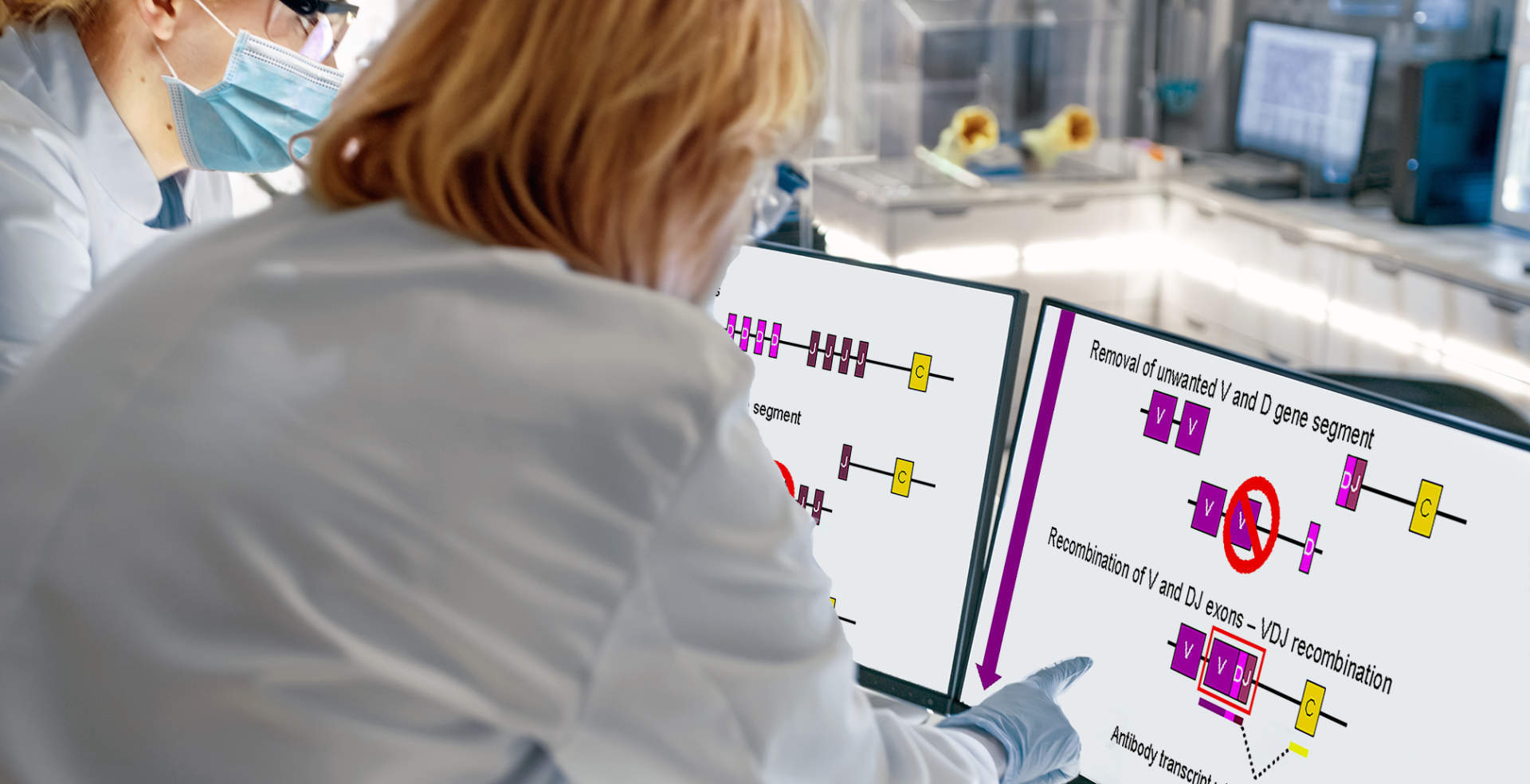
Advances in next-generation sequencing (NGS) have transformed cancer immunology research. Today, researchers can profile T-cell receptor (TCR) repertoires in unprecedented detail, revealing how immune cell populations change within the tumor microenvironment (TME) and identifying T-cell clones that expand in response to disease or treatment.
Yet one of the field’s most important questions remains unanswered.
What are those T cells actually recognizing?
Answering that question could fundamentally deepen our understanding of the immune response to cancer. It is also the question that has driven researchers at Antwerp-based ImmuneWatch from the very beginning.
“Our goal is to annotate all of the T-cell receptors in a single repertoire”
– Sander Wuyts, Ph.D., CEO and co-founder of ImmuneWatch.
Working together with QIAGEN, the team is exploring how high-quality TCR sequencing and machine learning-based computational annotation can help researchers move beyond describing immune repertoires towards understanding what individual T-cell populations may actually recognize.
If you’re planning a research project in this area, researchers based in eligible countries can also apply for the QIAGEN and ImmuneWatch TCR Sequencing and Epitope Discovery Grant. Full eligibility criteria, participating countries and application details are available on the grant website. Deadline 30 October 2026.
When repertoire data tells only part of the story
TCR repertoire analysis has become an indispensable tool for studying immune responses in cancer. Researchers can quantify repertoire diversity, identify expanded clonotypes and follow immune dynamics across tissues, disease stages and time.
But repertoire data alone cannot explain why particular T-cell populations expand.
An expanded clonotype could be responding to a tumor antigen, a viral infection or another immune stimulus. Distinguishing between these possibilities is essential for researchers seeking a deeper understanding of immune biology within the tumor microenvironment.
Increasingly, scientists are combining complementary technologies to address this challenge. Bulk TCR sequencing provides a comprehensive view of immune repertoires across large cohorts, while single-cell approaches reveal the functional state of individual T cells. Computational annotation adds another layer of biological context by helping researchers investigate the likely antigen specificity of individual TCRs.
Together, these complementary approaches allow researchers to move beyond asking which T cells are present towards understanding what they may recognize and how they contribute to the immune response.
Connecting sequence with specificity
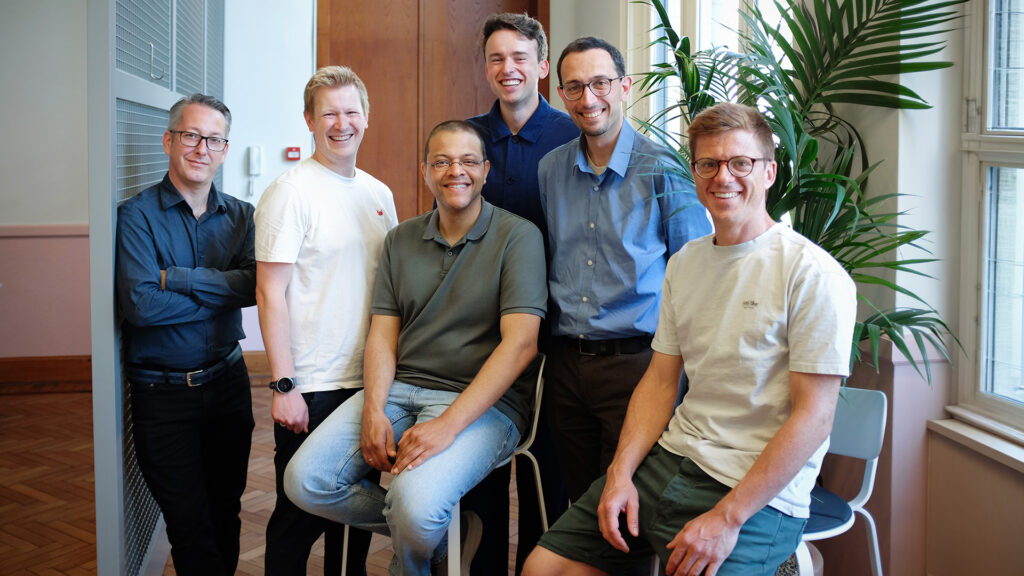
One example of this evolving approach is the collaboration between QIAGEN and ImmuneWatch.
The ImmuneWatch team has developed ImmuneWatch DETECT, a machine learning-based platform that compares TCR sequences against curated reference datasets to predict their likely antigen specificity. Combined with QIAGEN’s TCR sequencing technologies, the approach helps researchers investigate an important question that sequencing alone cannot answer.
Rather than treating sequencing as the end of the workflow, the collaboration demonstrates how it can become the starting point for deeper biological investigation. Researchers can generate new hypotheses, explore which antigens specific T-cell populations may recognize and identify clones that warrant further study.
As Wuyts explains, the goal is not simply to generate more sequencing data, but to extract more biological insight from every T-cell repertoire.
Building a richer picture of the tumor microenvironment

Understanding the tumor immune microenvironment requires more than any single technology can provide.
Repertoire profiling reveals the diversity and dynamics of T-cell populations. Single-cell approaches provide insight into cellular function. Computational annotation helps place these findings into biological context by investigating potential antigen specificity.
Together, these complementary methods are enabling researchers to ask increasingly sophisticated questions about immune recognition and function, helping to build a more complete picture of the anti-tumor immune response.
As sequencing technologies and computational methods continue to evolve, researchers are gaining new opportunities to investigate immune biology in ways that were previously beyond reach.
Continue exploring
Interested in learning more?
Explore QIAGEN’s Tumor Microenvironment Research hub to discover educational resources on cancer immunology, T-cell repertoire analysis and sequencing approaches.
You can also read the full story of the collaboration between QIAGEN and ImmuneWatch to learn how researchers are combining TCR sequencing with machine learning to investigate antigen specificity.