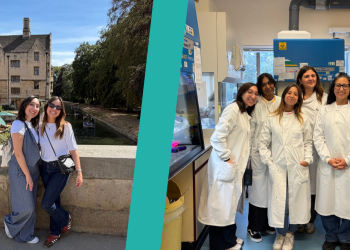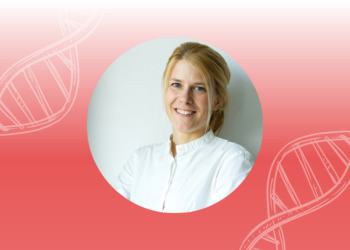

This article was written by EACR members Sabrina Dhooge (Argentina) and Dr. Motahareh Rezvan (Iran), who connected through the EACR Member Network. Both involved in breast cancer research, they share a common interest in understanding how scientific advances can improve outcomes and quality of life for patients. For Breast Cancer Awareness Month, they reflect on progress in early detection, precision medicine, and patient-centred care, while also exploring the challenges that lie ahead.
October is a month dedicated to raising awareness about breast cancer. But beyond the pink ribbons and awareness campaigns, it is also an opportunity to reflect on how far cancer research has come, and how many challenges still lie ahead.
We have discovered our shared interest in breast cancer research despite working in different scientific fields and countries, and this collaboration reflects how scientific networks can bring researchers together across borders and disciplines.
Although our research focuses on different aspects of cancer biology, we share a common interest in understanding how scientific advances can translate into better outcomes for patients. Through our perspectives, we explore the journey from early detection to molecularly informed diagnosis and personalised treatment, while considering an equally important question: how can these advances improve not only survival, but also patients’ quality of life?
Despite remarkable progress, breast cancer remains a major global health challenge. Its biological heterogeneity, disparities in access to healthcare, and the difficulty of predicting individual treatment responses remind us that scientific discovery must continue to evolve alongside clinical practice.
Our perspectives may come from different research backgrounds, but they converge on a shared goal: turning scientific knowledge into meaningful improvements in patients’ lives.
Early Detection: Why Timing Still Matters
“Early detection is one of the most important messages that should reach beyond the scientific community. The message I wish more people understood is that early detection saves lives.” – Motahareh Rezvan
Early detection remains one of the most powerful tools for improving breast cancer outcomes. Yet, for researchers and clinicians, the challenge goes far beyond identifying a tumour at an earlier stage. It also involves understanding individual risk, improving diagnostic accuracy, reducing unnecessary interventions, and ensuring timely access to appropriate care.
 Although survival outcomes depend on tumour subtype, stage and access to appropriate treatment, diagnosing breast cancer before it has spread is generally associated with substantially better outcomes.
But improving early detection requires more than technological advances. It also calls for effective communication, accessible healthcare services, and coordinated efforts between researchers, clinicians and public health professionals.
The World Health Organisation’s Global Breast Cancer Initiative emphasises three interconnected priorities: health promotion and early detection, timely diagnosis, and comprehensive breast cancer management. Together, these pillars highlight why progress cannot be measured solely by improvements in screening technologies.
Ultimately, the impact of early detection depends not only on identifying cancer sooner, but also on ensuring that every patient can access timely diagnosis and appropriate treatment. This raises an essential question: How can we translate advances in early detection into more accurate, accessible and equitable breast cancer care?
Beyond Early Detection: Understanding Breast Cancer Heterogeneity
Detecting breast cancer early is essential, but identifying a tumour is only the beginning. Once a diagnosis is established, understanding the biological characteristics of the disease becomes critical for selecting appropriate treatment strategies.
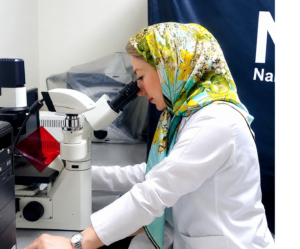
Motahareh: “In my work, I have seen that breast cancer is not one disease but many, each with its own biology. Breast cancer is a heterogeneous disease, with tumours differing in their molecular characteristics, receptor expression and responses to treatment. This diversity highlights the importance of precision medicine, in which treatment decisions are guided by accurate molecular characterisation of each tumour. Developing more precise and targeted diagnostic approaches is therefore essential to support informed treatment decisions.
Nanotechnology offers promising opportunities to advance this goal. Smart, targeted nanoplatforms can be designed to improve tumour detection through different molecular imaging modalities. By combining diagnostic and therapeutic functions, nanotheranostic platforms may also help bridge tumour characterisation and treatment.
My research focuses on developing smart, multifunctional nanoplatforms for targeted cancer diagnosis and nanotheranostics. In recent work, I developed a targeted platform combining complementary imaging capabilities with pH-responsive chemotherapy delivery. My current research particularly focuses on improving precise and targeted tumour detection using different molecular imaging modalities.
Despite their potential, translating these technologies into clinical practice requires rigorous evaluation of their targeting specificity, diagnostic performance, biocompatibility, biodistribution, clearance and clinical validity. Ultimately, the goal is not only to characterise tumours more accurately, but also to use this molecular information to better anticipate how individual patients may respond to treatment.”
This perspective illustrates the potential of emerging nanotechnologies to complement established diagnostic approaches, while emphasising the rigorous validation required before their clinical implementation.
Beyond improving tumour characterisation, another major challenge in precision oncology is identifying which biological features can reliably predict treatment response. This question becomes particularly relevant when considering why patients with apparently similar disease characteristics may respond differently to the same therapy.
From Molecular Profiling to Predicting Treatment Response
One of the central challenges in precision oncology is identifying which patients are most likely to benefit from a particular treatment. Despite advances in molecular classification and targeted therapies, substantial variability in treatment response remains, even among patients with similar clinical characteristics.
This challenge is particularly relevant in breast cancer immunotherapy. Although immune checkpoint inhibitors have expanded therapeutic options for selected patients, currently available biomarkers, such as PD-L1 expression, have limitations in their ability to accurately predict individual treatment responses. Identifying additional robust and clinically validated biomarkers therefore remains an important research priority.
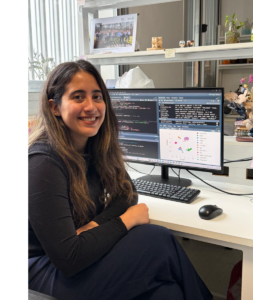 Sabrina: “This challenge lies at the centre of my doctoral research. By investigating circulating immune cell populations in patients with advanced HER2-negative breast cancer, my work explores how blood-based immune profiling, longitudinal monitoring and computational analyses may help identify candidate biomarkers associated with treatment response.
These approaches highlight the potential of integrating tumour characteristics with systemic immune profiling to develop more comprehensive strategies for patient stratification. However, translating promising biomarker signatures into clinical practice requires independent validation and evidence of clinical utility.”
Ultimately, precision oncology is not only about developing more effective treatments, but also about understanding who is most likely to benefit from them.
This objective also has implications beyond therapeutic efficacy. Better treatment selection may eventually help reduce exposure to ineffective therapies and avoid unnecessary toxicity, bringing precision oncology closer to another essential goal: preserving patients’ quality of life.
Beyond Survival: Improving Quality of Life
Progress in breast cancer treatment is often described through improvements in survival, disease control and therapeutic response. These outcomes are fundamental, but they do not capture the full experience of living with and beyond cancer.
As treatment strategies become increasingly complex, maintaining patients’ quality of life remains a central consideration. Treatment-related toxicities, long-term complications, psychological well-being and the ability to maintain daily activities can all influence the overall burden of disease.
This is why multidisciplinary care is essential.
The management of breast cancer requires coordinated expertise across medical oncology, surgery, radiotherapy, pathology, imaging, nursing, rehabilitation and supportive care. Such collaboration helps integrate disease control with symptom management, patient preferences and long-term well-being. Equally important is the need to anticipate, monitor and manage treatment-related adverse effects throughout the patient journey.
The relationship between precision medicine and quality of life is particularly important. Identifying patients who are most likely to benefit from specific treatments could eventually help optimise therapeutic decisions while limiting unnecessary exposure to adverse effects. However, achieving this goal requires clinically validated biomarkers and prospective evidence.
Patient-centred care therefore requires more than therapeutic innovation. It demands an integrated approach in which clinical outcomes, treatment burden and individual patient priorities are considered together.
“Behind every cell line and data point stands a mother, a sister, a friend.” – Motahareh Rezvan
This sentiment captures something that can easily be overlooked amid increasingly sophisticated technologies and complex datasets: every scientific question ultimately connects to a human experience.
Beyond October: Connecting Research, Awareness and Patient Care
Breast Cancer Awareness Month offers an opportunity to highlight scientific progress, but it also invites us to consider the responsibilities that accompany that progress.
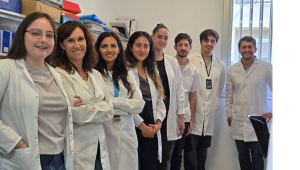
For the cancer research community, advancing knowledge is only part of the challenge. We must also communicate findings accurately, collaborate across disciplines and contribute to the translation of discoveries into accessible and effective healthcare.
Early detection, molecular characterisation, predictive biomarkers and multidisciplinary care should not be viewed as separate objectives. They are interconnected components of a broader effort to improve the entire patient journey, from the first suspicion of disease to treatment, recovery and long-term follow-up.
Our perspectives from Argentina and Iran reflect different research backgrounds and areas of expertise, but they also highlight a shared conviction: progress in breast cancer care depends on connecting scientific innovation with clinical needs and patient priorities. Our collaboration, made possible through the EACR Member Network, also illustrates the value of building scientific connections across geographical and disciplinary boundaries.
As researchers, we may work with different technologies, study different biological mechanisms and approach cancer from different disciplines. Yet the questions that motivate our work often converge.
How can we detect disease earlier? How can we understand each tumour more precisely? How can we predict treatment response more reliably? And how can we ensure that scientific progress translates into longer and better lives?
These questions will continue to guide cancer research long after October ends. Because beyond every molecular signature, clinical outcome and scientific discovery, there is a person whose life may be changed by the answers we find.
About the authors
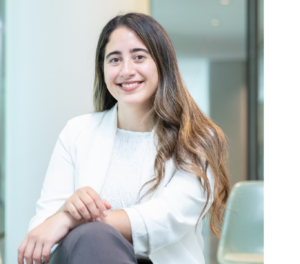
Sabrina Dhooge
Sabrina is a PhD candidate in tumour immunology at CIBICI-CONICET, National University of Córdoba, Argentina, and an EACR Ambassador. Her research focuses on identifying immune biomarkers associated with treatment response in breast cancer, with a particular interest in translating immunological discoveries into more personalized therapeutic strategies.
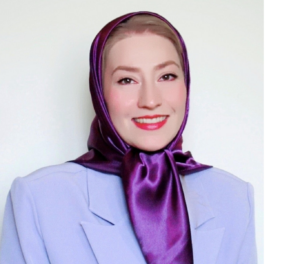 Dr Motahareh Rezvan
Motahareh is a researcher at the Breast Cancer Research Center, Motamed Cancer Institute, ACECR, Tehran, Iran. Her research focuses on developing multifunctional nanoplatforms for targeted cancer diagnosis, molecular imaging and nanotheranostics, with the aim of advancing more precise and personalized approaches to cancer care.
The opportunity to form connections with fellow researchers is one of the many benefits of EACR membership. This collaboration between Sabrina and Motahareh began through the EACR Member Network, which helps members connect across disciplines, countries, and career stages. Find out more about EACR membership and follow us on Bluesky, LinkedIn, Instagram, and Facebook to be notified of additional opportunities to connect with fellow cancer researchers.