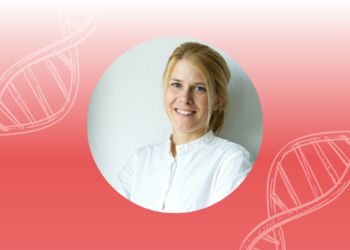

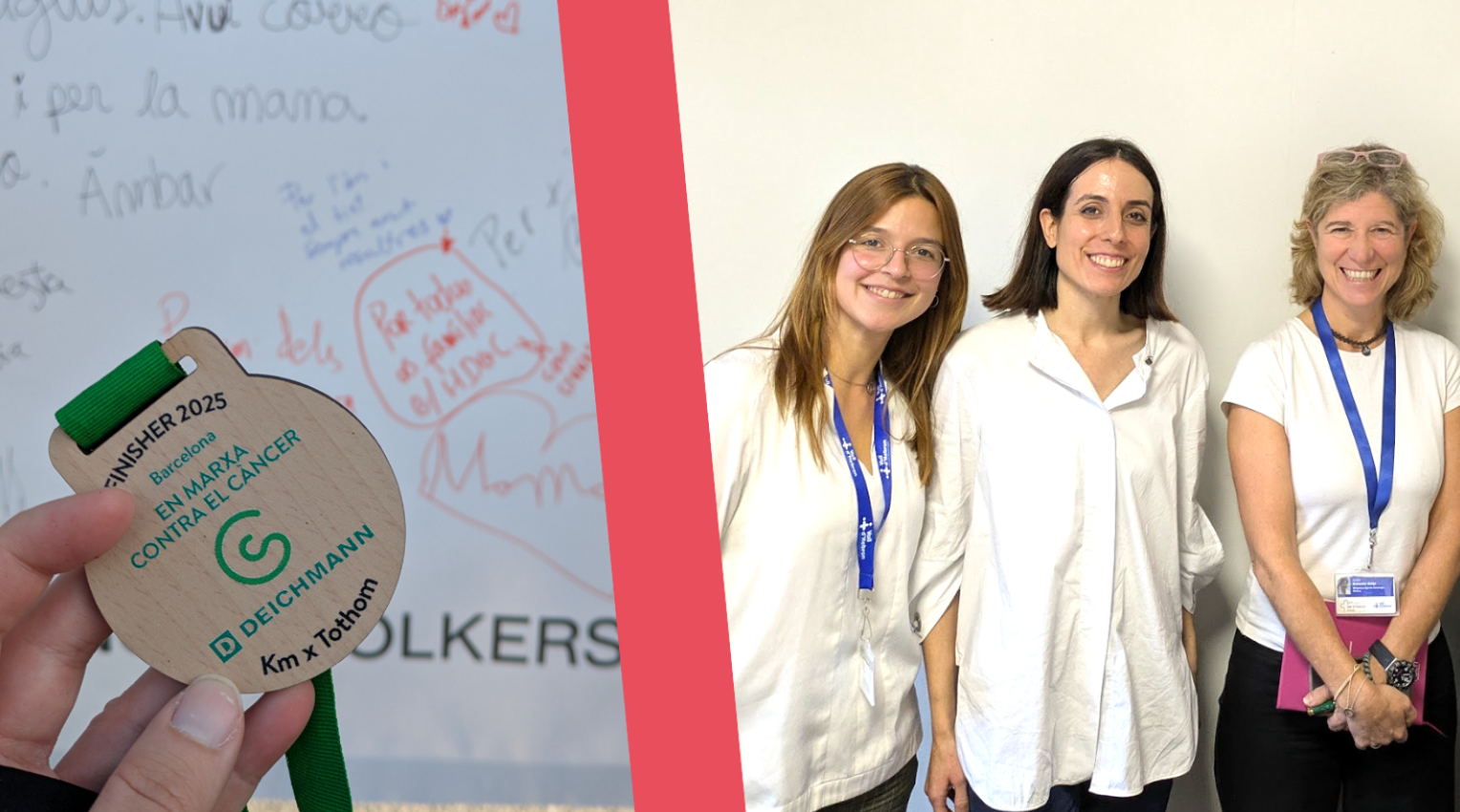
Ana Rita Barbosa de Matos is a postdoctoral researcher at i3S, Portugal who received an EACR Travel Fellowship to visit and work at VHIO, Spain between November 2025 and January 2026.
The EACR, with support from Worldwide Cancer Research, provides Travel Fellowships of up to €3,500 to enable early-career cancer researchers to gain new skills through a short-term visit to a lab or research group in another country.
You can read about other Travel Fellows and their experiences here.
Why did you decide to apply for an EACR Travel Fellowship?
I decided to apply for the EACR Travel Fellowship after seeing super positive feedback from PhD students and researchers who had previously participated. They would highlight not only the scientific value of the experience but also the quality and rigor of the application process. I really appreciated how the fellowship application encourages well-defined, meaningful collaborations, ensuring that proposed projects are both relevant and thoughtfully designed. Additionally, the financial support provided by the fellowship is essential to avoid the burden of funding constraints. Altogether, it seemed like an excellent opportunity to strengthen my project and expand my network while having an international research experience.
Why did you choose the host lab?
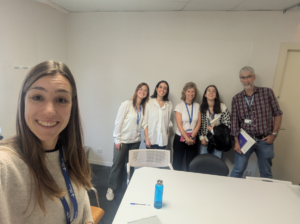
I chose to collaborate with Dr. Judith Balmaña’s lab because of its strong expertise in hereditary cancer syndromes, which closely aligns with my research interests. We were both actively studying similar patient populations, and this overlap created a natural and perfect timing for a meaningful collaboration.
Did you take part in any interesting local or cultural activities?
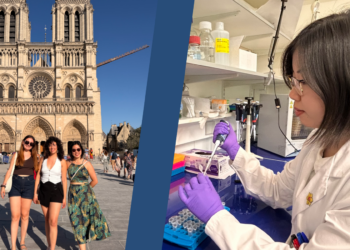
Yes, Barcelona is an inspiring place to live and work. During my stay I had the opportunity to engage with its culture scene, and visit several museums and local events. This was the perfect balance to my research activities.
I primarily interacted with medical doctors, which enriched my understanding of how research findings translate into patient care.
Describe a ‘typical day’ on your visit.
A typical day began with my commute to VHIO by metro, often alongside patients and medical staff, which gave me a sense of the clinical environment from the start. Most of my time was spent at the institute, where I worked closely with Dr. Judith Balmaña’s group. My main activities involved collecting and curating clinical data, discussing specific patient cases, and exploring detailed family histories. I primarily interacted with medical doctors, which enriched my understanding of how research findings translate into patient care.
What were you able to do that you could not have achieved in your home lab?
During my stay, I was able to access and analyse a significantly larger cohort of families affected by a rare genetic condition than in my home lab. This unique opportunity allowed me to clinical data in much greater depth and to refine estimates of lifetime cancer risk. This experience substantially enhanced the scope and impact of my research.
Does your lab plan to do any future collaborations with the host lab?
Yes, we are building on the work developed during the fellowship. We aim to perform a comparative analysis of lifetime cancer risk estimates between the two countries. This will allow us to better understand both differences and similarities in patient management, clinical outcomes, and surveillance strategies. We expect this work to lead to a joint publication and to strengthen the long-term collaboration between the two labs.
Want to find out more?

If you are interested in applying for the Travel Fellowship scheme, please click here for more information: EACR Travel Fellowships