

Transitioning from one area of research to another is a thrilling journey filled with challenges and opportunities. As a cancer researcher, I have experienced different fields of investigation and the need to constantly adapt to new realities to stay at the forefront of knowledge. In this blog post, I will share my story of transitioning from fundamental research to a therapeutic approach and the valuable lessons I have learned.
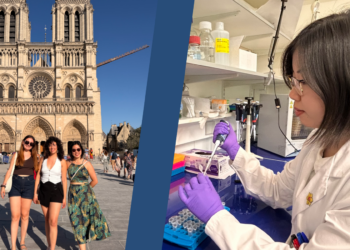
My scientific journey began during my undergraduate studies in Biomedical Sciences. With a passion for understanding the complexities of cancer biology, I pursued a master’s degree in molecular Biomedicine. However, during a laboratory rotation, I realized the potential of nanotechnology to revolutionize cancer treatment. Little did I know that this experience would contribute to a significant transition in my research career. Consequently, my master’s thesis focused on developing polymer-based nanosystems capable of efficiently delivering genetic material to T cells for potential T cell-based therapies. To undertake this new path, I had to learn and adapt to the principles of nanotechnology, materials science, and gene delivery systems. It demanded openness to learning, interdisciplinary collaboration, and adopting novel approaches.
One of the challenges I faced was acquiring the necessary knowledge and skills in nanotechnology. I immersed myself in scientific literature, attended workshops, and engaged with experts in the field to expand my knowledge. It was a stimulating experience to step into unknown territory, discovering the possibilities and limitations of nanomedicine.
Adapting to research methodologies and laboratory techniques was another challenge in my journey. I had to familiarize myself with specialized equipment and experimental protocols. It required patience and persistence to assume trial and error.
Transitioning to nanotechnology field also introduced me to a world of collaboration. I recognized my lack in aspects of nanomedicine, and therefore, I actively searched for collaborations with scientists from diverse disciplines, including materials science, immunotherapy, and oncobiology. By harnessing the collective knowledge and skills of experts, we were able to address complex challenges and make significant contributions to our research.

I also discovered the importance of staying connected within the scientific community. Active participation in conferences, workshops, and scientific societies such as ASPIC, EACR, AACR, and FEBS became crucial to my growth as a researcher. These societies provided opportunities to exchange ideas, learn about innovative research, and build networks with scientists.
Lastly, I recognized the value of effective science communication in driving progress and creating societal impact. I actively engaged in science outreach activities, such as the Pint of Science initiative, to promote scientific literacy by facilitating dialogue and breaking down barriers between researchers and society.
My transition from fundamental research to a therapeutic approach led me to the importance of embracing changes, seeking knowledge outside my comfort zone, collaborating with diverse experts, and effectively communicating science. As cancer research continues to grow, I remain committed to adapting to the different areas of investigation that may emerge to make a significant contribution to the fight against cancer.
 About the author:
 About the author:
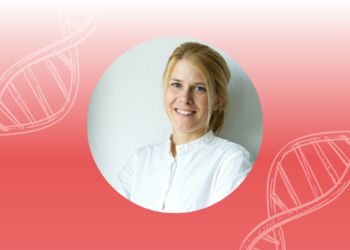
Inês Pinto is an enthusiastic cancer researcher at the Center for Neuroscience and Cell Biology at the University of Coimbra. With a master’s degree in molecular Biomedicine and a bachelor’s degree in biomedical sciences, she has dedicated her career to advancing cancer nanomedicine, targeted delivery nanoplatforms, biomaterials, immunotherapy, and oncobiology. Inês is actively involved in scientific societies, science outreach activities, and sustainable research practices, aiming to develop novel therapeutic strategies against cancer.