
Undertaking a PhD, especially in a new environment, can be a difficult task. New workplace, new people, new working environment and new ways of doing things: from the administration to experimental procedures to other lab routines.
What I understood most importantly within the first 5 months of my PhD was that there is the need to have a balanced life. For one to succeed she/he must possess what I see as the triad for success: one needs to be mentally, emotionally and physically fit.

But how do we achieve each of these? Here are my personal tips:
Physical fitness
- Sports and healthy nutrition are the two most important components of physical health. You should engage in any sport of your choice especially ones that combine physical activity and fun, such as hiking, skiing or swimming.
- Always find time to visit the doctor when you feel sick, don’t delay it.
- Always adhere to good laboratory practices, don’t take chances. In case of accidents and/or emergencies follow the established safety procedures.
Mental fitness
- Meditation, prayer, yoga and other mind training practices could really be helpful in improving your mental alertness.
- Explore nature, visit new places, meet new people it will improve your self worth.
- Support others, there is self satisfaction in helping others, it can lift you up.
- Take good care of your body, avoid or minimise destructive habits (cigarettes, excessive alcohol, drugs etc).
- One thing that could uplift you is to understand that your research could have direct impact on peoples’ lives, perhaps it could someday save the lives of many. You should connect with people that are not familiar with your work and try to explain what you do in simple terms. By doing that they will understand your worth and your contribution and they will encourage you.
- Sleep very well and don’t over burden your self with activities. Try to avoid societal and peer pressure.
Emotional fitness
- Try to have a life out of science, follow your interests such as art, music, dance, movies etc.
- Always be attached to your loved ones (friends, colleagues, boyfriend, girlfriend, partner, pets, kids, wife, husband, parents, relatives etc). Try to have time for them. They will always lift you up when you are down.
- You should learn to like what you are doing, by liking what you do you make the tasks easier and fun. It will increase your motivation and subsequently your emotional intelligence.
- Talk to others about your concerns and fears. Seek for help when necessary, it is not a weakness but rather a strength. We should be willing to share our knowledge and we shouldn’t be mean to others especially in the lab. We should always keep in mind that people do have some bad days and their performance could be affected, we should understand that and be supportive.
[td_smart_list_end]

Overall, these three ingredients of success do not exist independently, they go hand in hand, with each complementing the other(s). If you have a failed experiment, one thing that should keep you calm is the fact that great successes are often accompanied by failures. You should keep in mind that in science, great success is a blend of serendipity and hard work.

About the author
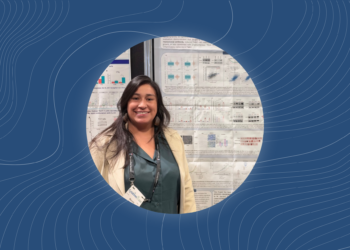
I am Yahaya Yabo, a 2nd year PhD student at NORLUX Neuro-Oncology Laboratory, Luxembourg Institute of Health (LIH). My research project is part of the Horizon 2020 Innovative Training Network (ITN) programme Gliotrain, where I focus on interrogating intra-tumoral heterogeneity and disease resistance mechanisms in glioblastoma using scRNA-seq and GBM PDOX models.