
EACR Travel Fellowships are co-sponsored by Worldwide Cancer Research and provide funds up to €3,000 to early-career cancer researchers. For more information on how to apply for Travel Fellowships, you can visit the EACR website.
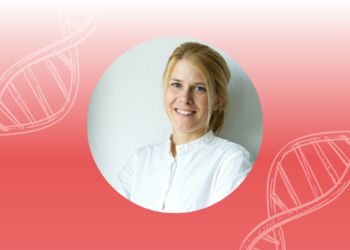
Salwador Cyranowski, PhD student

Home institution and country: Nencki Institute of Experimental Biology PAS, Warsaw, Poland
Host institution and country: Gustave Roussy Institute, Villejuif, Grand Paris, France
Dates of visit: 16 April 2018 – 31 May 2018
I am investigating novel therapeutic approaches towards glioma, the brain tumour, using mice as a model and newly synthesised compounds as medication.
I had a chance to let go of my doubts
How did you choose the host lab?
I have been familiar with the research going on in this lab for over a year, not knowing that one day I’d have a chance to visit. Also, my current home institution has been collaborating with this laboratory for years.
Can you summarise the research you did or what you learned on your visit?
I have improved my skills in flow cytometry, mice experiments planning and drug administration planning. I have deepened my knowledge on immune system and melanoma.
Describe a ‘typical day’ on your visit.
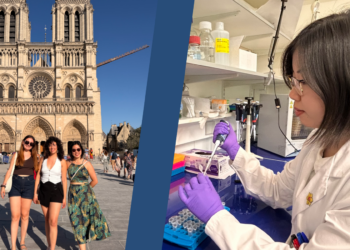
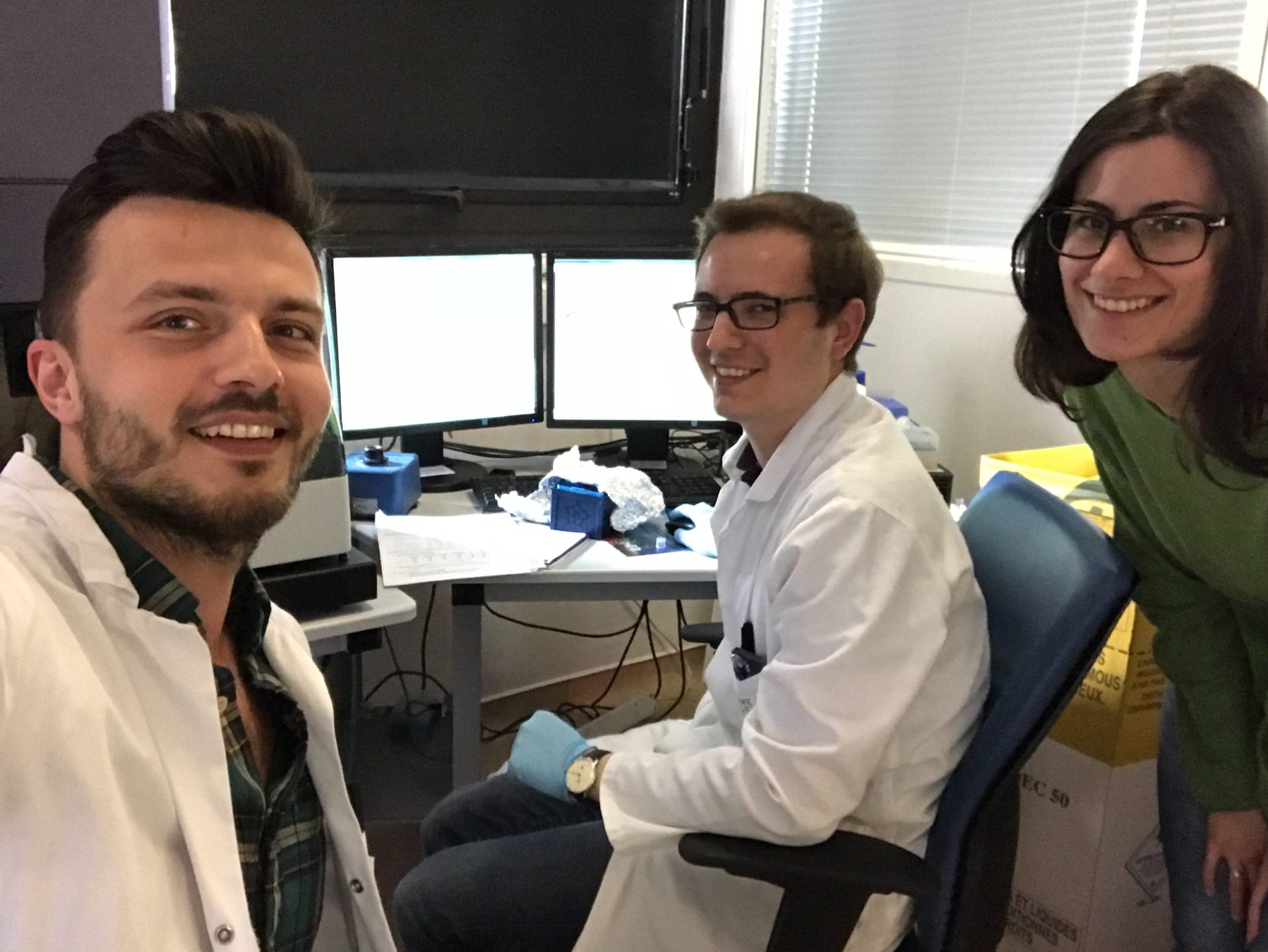
I commuted to work for an hour every day because the institute was located outside of Paris. The commute was rather smooth, not very tiring. Upon arrival, I would take part in a laboratory meeting or a unit seminar, then proceed with my experimental activities. During lunchtime, I would dine with the rest of lab crew on a top-floor cafeteria with a view of the Sacre Coeur. I would then continue with experiments, discuss my plans with more experienced lab members and hang out in the city centre with some fellow students who I befriended.
What were you able to do that you could not have achieved in your home lab?
I had more reagents available and more experienced crew in flow-cytometry, which was particularly important to me.
Did you take part in any interesting local/cultural activities?
A ton. I visited museums (the Louvre, twice), went for a picnic in Bois de Boulonge, I hung out with friends at Saint Martin Canal and went for a cabaret at Moulin Rouge. My personal highlight would be visiting Foundation Luis Vuitton and having confit de canard in one of the restaurants in the city centre.


Did you have a personal mentor or anyone who particularly helped you?
Yes, one of the post-docs took care of my stay. I had a chance to discuss my experimental plans with her and ask her for advice during data analysis. Fellow PhD students were also friendly and helpful.
How has the trip inspired you in your research?
I became more confident in my research, especially in data analysis and experiment planning. I had a chance to let go of my doubts, confirming that my experimental techniques are proper.
Have you brought back any specific knowledge/technique that has benefited your home lab?
I have brought many technical insights into designing a fluorochrome-conjugated antibody panel for flow-cytometry for murine experiments, harvesting and digesting cancer tissue and choosing proper markers for specific cell populations.
How has this visit been beneficial to your research and your career?
I definitely learned a lot, made friends, extended my network of potential collaborators and saw how others approach similar research to mine. It was a fruitful and a rewarding stay.
Is there anything else you’d like to mention?
Only how I loved working with the EACR. The application was easy and straightforward! I want to thank the EACR for making this trip possible and being friendly and open.