
I still remember being a college student in 2018, completely stunned by a viral Facebook video. It showcased BioMind, an artificial intelligence (AI) system that defeated 15 esteemed radiologists in a brain tumour diagnosis competition. Along with the initial fear of ‘Is AI going to take over the world?’ came a more compelling thought: how AI could reshape the future of research. Well, five years have passed, and the transformation is already underway. Not the ‘take over’ part (at least not yet!), but it is a fact that AI is revolutionising the way we conduct research. Traditionally, every research starts with a hypothesis, a focused question that researchers seek to prove or disprove. But, with the advent of AI, research has become more curiosity-driven. Scientists are now fearless in asking open-ended, bold questions that venture into previously unchartered territories. The beauty of this is that curiosity-driven research is not limited by the existing knowledge but is always asking, “What if?”.
This is particularly exciting for cancer research, as the complexity of the disease makes the ‘one-size-fits-all’ treatment strategy often impossible. Instead of reducing the occurrence of the disease to a single pathway or gene, scientists can now use AI to consider numerous factors like genome, proteome, environmental factors, and patient history to predict tumour growth and drug response. AI can sift through massive datasets, from genetic information to clinical trials, and identify exciting correlations and patterns the human mind might never even imagine. This holistic approach could ultimately lead to better-personalised therapies, improving clinical outcomes (woah…goosebumps!). But AI’s role doesn’t stop with existing data—it also has the power to inspire new, innovative hypotheses. Generative AI models can simulate how a drug might interact with the tumour microenvironment or predict how a genetic mutation could influence tumour behavior. When used effectively, these simulations could unlock new avenues in cancer research, offering possibilities we’ve just begun to explore.
But, ‘with great power comes great responsibility challenges.’ Like any transformative technology, AI comes with several scientific, technical, and ethical hurdles that must be tackled before unlocking its complete potential. The performance of an AI model depends on the data you feed it with. The higher the quality, diversity, and accuracy of the data you feed, the better it performs. Unfortunately, high-quality uniform data in cancer research are hard to come from, owing to its varied sources, making it difficult for AI models to process them cohesively. This also comes with the fact that patient data is highly sensitive and thus might not be accessible to all researchers globally, creating a bottleneck in AI’s ability to learn from available datasets. This leads to a bias or overfitting in the results developed by AI, limiting treatment options for underrepresented populations. Despite all this, AI is still thriving in cancer research and is unraveling new avenues in the field of cancer drug discovery and development of personalised medicine. Thus, the path forward requires intense collaborations among clinicians, researchers, ethicists, and AI developers to ensure the role of AI as a transformative tool in the fight against cancer. The journey might be long, but the potential rewards are too great to ignore.
 About the author:
 About the author:
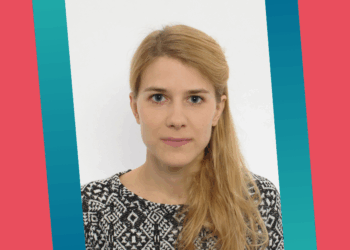
I am Aisha Shigna Nadukkandy, a cancer biology enthusiast and a PhD student at Aarhus University, Denmark. I completed BSMS from Indian Institute of Science Education and Research, Tirupati, India. My current research involves using next-generation sequencing data to unravel cellular heterogeneity and functions during lung cancer and diabetes. Outside the lab, I spend my time watching crime thrillers, singing, and cooking.
About this article
This is one of our shortlisted entries for the 2024 EACR Science Communication Prize themed around our #KeepResearchCurious campaign. Choosing a winner was incredibly difficult and we’re delighted to share our shortlist with you.
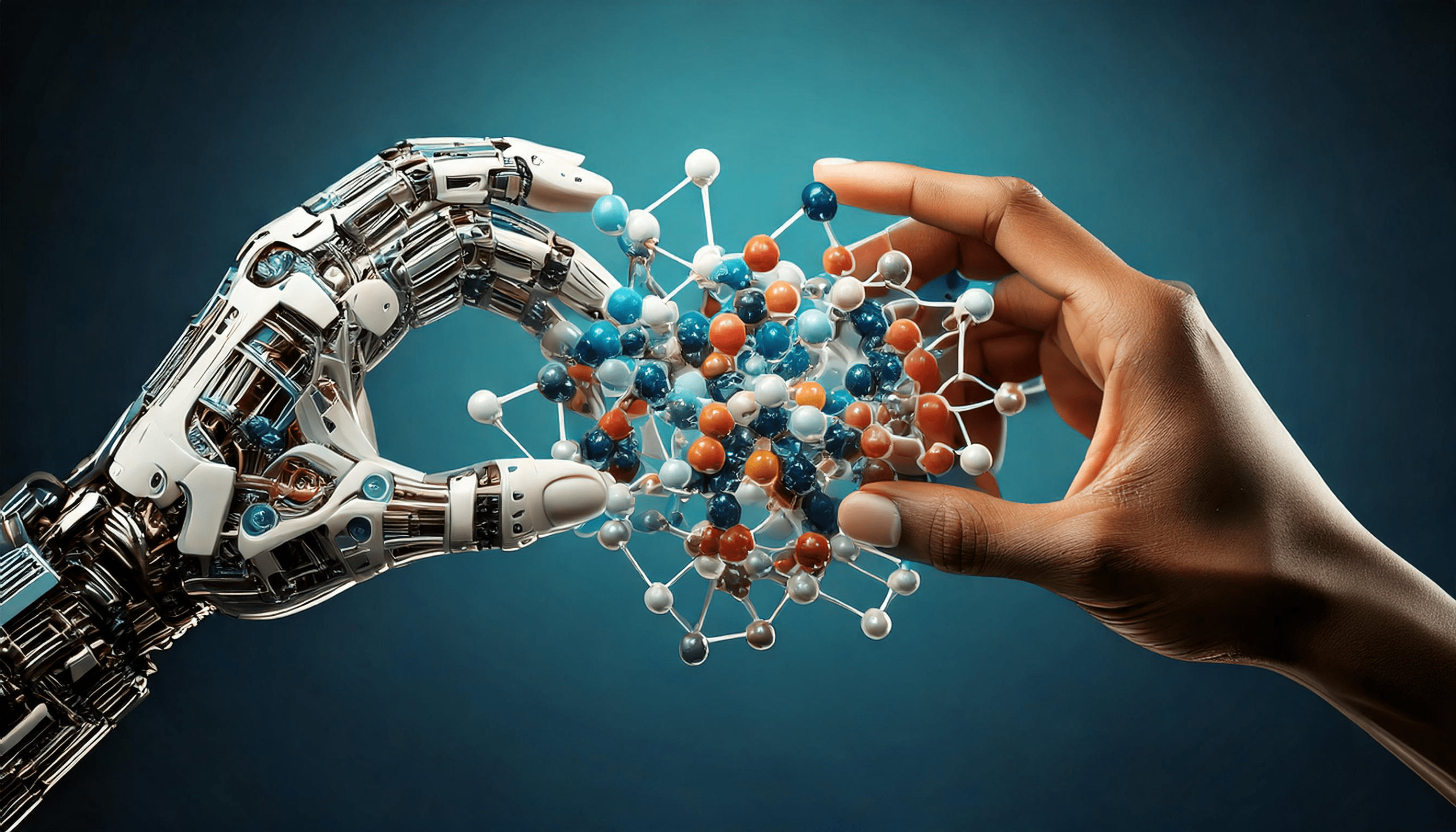
The header image of this article was created using AI.