

By Caitriona Tyndall

Public engagement can be scary for scientists. Quick – think of all the times you have had to explain your research to someone not in your field. Now think of how many times they left more enlightened than confused. I bet there are a lot of you reading this who may have spoken to friends, family or someone at a conference and thought “I am really not explaining this well.” As a scientist I know how daunting it can be to talk to someone about your research, even in broad terms. When someone used to say “public engagement” to me a few years ago I would panic. What do I say? How do I explain complex concepts that I spent 4-5 years studying to someone who doesn’t even know what a gene is? What if I come across like an arrogant scientist? What if they ask me something I don’t know or never thought of? Why do I have to talk to strangers? All perfectly valid questions and I’m sure you have thought of a dozen more reading this.
Cancer affects 1 in 4 people. Everyone you talk to wants to know what you have to say.
There is one universal answer to these questions – no one cares, they are just like you. The “public”, be it your parent or a scientist from a different field, are curious. They want to hear what you have to say even if they don’t understand everything and they want to ask questions. The field of cancer research is no different and in fact from my experience I would say more people than any other field want to talk to a cancer researcher. Think of when you first started research. Didn’t you have questions about cancer you wanted to answer? You decided to study it because you had the tools to do that. You also have the tools believe it or believe it not to show other people. Cancer affects 1 in 4 people. Everyone you talk to wants to know what you have to say.

I am funded by Cancer Research UK (CRUK) and I developed my passion for public engagement with them. It started off slow, showing some interested people how cancer therapy works with plastic cups and coloured balls to lab tours, to talking with cancer patients about my specific research. I have done science festivals, 10km walks, corporate events and much more. In the beginning I was terrible, I tripped over my jargon and completely failed to explain myself. However the more I listened to what people wanted to know and the more I practiced the better I got. I am not good at talking to strangers but I am good at this.
If you can explain your research to a 10-year-old… you can explain your research to anyone.
But why is it important to do this? And why should we be investing a lot more into public engagement? Well firstly if you can explain your research to a 10-year-old playing with a paddling pool full of red dyed water what circulating DNA is then my friend you can explain your research to anyone. It will make you better at writing papers and grants. It also gives you ideas that you never even dared to think of. You as a scientist are restricted by what you were taught. A 50-year-old train driver isn’t.
My advice if you want to learn about communicating your research in an approachable way is to contact your funding body and contact your university/institution. If there aren’t courses for this, start one up. Do a lab tour. Go to a school and demonstrate your work. Even just talk to your friends or family. Trust me it’s worth it.
 About the Author
 About the Author
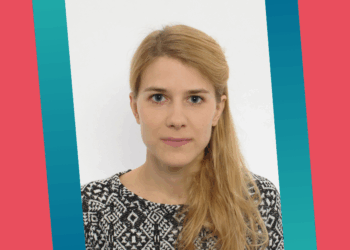
Caitriona Tyndall is a fourth year PhD student and blogger at Imperial College London, UK. She is currently studying the epigenetic mechanisms by which the Type II Diabetes (T2DM) drug metformin reduces breast cancer risk. She has been an EACR member for 3 years.
- Blog: www.diaryofacancerresearcher.com
- Email: c.tyndall15@imperial.ac.uk or diaryofacancerresearcher@gmail.com
- Facebook | Instagram | Twitter