
Click above to watch
On 04 December 2025, the EACR hosted a webinar in collaboration with 10x Genomics, one of our valued EACR Industry Partners. In this webinar we will welcomed two expert speakers. Dr. Camilla Engblom from the Karolinska Institutet in Stockholm discussed spatially resolving antigen receptors in tumour tissue, and Dr. Heidi Haikala from the University of Helsinki talked about ex vivo modeling of the tumour immune microenvironment in lung cancer.
Dr. Engblom’s talk contained sensitive data that we are not able to share however thanks to Dr. Haikala and 10x Genomics, we are able to provide free on-demand access to the second talk and full Q&A session with both speakers, which can be found above.
Talk abstracts
“Spatially resolving antigen receptors in tumour tissue” – Dr. Camilla Engblom
[Note: this talk is not available on-demand]
B and T cells perform functions critical to human health and they develop, differentiate, and expand in spatially distinct sites across the body. Both B and T cells express clonal heritable antigen receptors that confer exquisite molecular (i.e., antigen) specificity. Antigen receptors can be defined by sequencing, but these methods require tissue dissociation, which loses the anatomical location, and the surrounding functionally relevant environmental cues. Linking specific clonal sequences to their molecular and cellular surroundings, i.e., ‘clonal niche’, could help us understand and harness B and T cell activity.
A technological bottleneck has been to capture the location of antigen receptor sequences, and by extension B and T cell clonal responses, directly within tissues. To address this, we developed a spatial transcriptomics-based approach (Spatial VDJ) and associated computational pipelines to reconstruct B and T cell clonality in human tissues. Using this technology and extensions thereof, we spatially resolve B and T cell receptors within immune and tumor tissues across species, as well as B cell clonal evolution within germinal centers.
Combined, Spatial VDJ links B and T cell clonal responses to their microenvironment with applications to various immune-related pathologies, including infections, cancer and autoimmune diseases.
“It’s about TIME: Ex vivo modeling of the tumour immune microenvironment in lung cancer” – Dr. Heidi Haikala
Lung cancer remains one of the most challenging malignancies to treat due to the complex interplay between tumour, stromal, and immune cells and the emergence of therapy resistance. Dr. Haikala’s team integrates spatial transcriptomics to map tumour-immune interactions directly in patient samples, uncovering spatially resolved mechanisms of immune evasion and therapy resistance.
Speakers

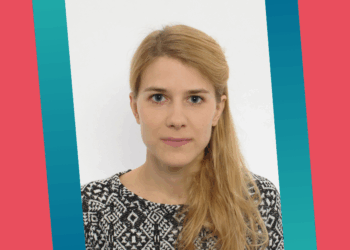
Dr. Camilla Engblom, SciLifeLab Fellow and Assistant Professor·Division of Immunology and Respiratory Medicine, Department of Medicine, Solna, Karolinska Institutet, Stockholm, Sweden
Dr. Engblom received her PhD in Immunology from Harvard University in 2017 focusing on long-range cancer-host interactions involving myeloid cells (Dr. Mikael Pittet’s lab at Massachusetts General Hospital/Harvard Medical School). As a MSCA postdoctoral fellow in Dr. Jonas Frisén’s lab (KI), Dr. Engblom developed a spatial transcriptomics-based tool (Spatial VDJ) to map B cell and T cell receptors within human tissues. Located at SciLifeLab and the Center for Molecular Medicine (KI), the Engblom lab’s main research focus is to spatially and functionally resolve B cell clonal dynamics during cancer.
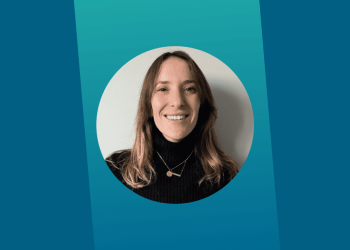
 Dr. Heidi Haikala, Assistant Professor of Cancer Biology, Lead of the HaikaLab Immuno-oncology Research Group·Finnish Institute of Molecular Medicine, University of Helsinki, Finland
Dr. Haikala’s current research focuses on drug resistance and immune evasion in lung cancer, with a strong emphasis on developing functional, patient-derived models, including ex vivo 3D co-cultures and organ-on-chip platforms. These models are used to investigate responses to targeted therapies and immunotherapies, with the goal of advancing personalized cancer treatment. Dr. Haikala is also founder of Solid IO, a spin-off company that develops tumor-on-chip–based diagnostics to guide therapy selection in the clinic.
Want more videos?
EACR members get exclusive access to a library of on-demand videos, from talks delivered at previous virtual conferences to webinars with leading authors and industry experts. Explore EACR membership today.
You can find our public videos here in The Cancer Researcher by clicking the tags below.