
EACR-Worldwide Cancer Research Travel Fellowships provide funds up to €3,000 to early-career cancer researchers. For more information on how to apply for Travel Fellowships, you can visit the EACR website.
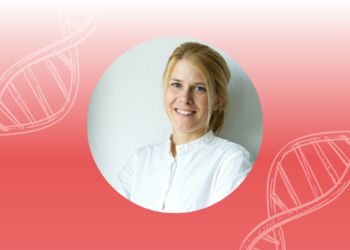
Name: Rebecca Steele, Postdoctoral research fellow
Home Institution: Queen’s University Belfast, UK
Host Institution: University of Adelaide, Australia
Dates of visit: 23 July – 08 September 2018
Research: My current work in Belfast involves determining 3D DNA conformation in Prostate Cancer cells and how these structures are altered in response to treatment.
Why did you decide to apply for an EACR Travel Fellowship?
I decided to apply for the EACR Travel Fellowship as I thought it was a fantastic opportunity for me to visit another lab performing highly translational research and to visit a new country at the same time. I love to travel and am a passionate cancer researcher always looking to develop my skill set and expand scientific knowledge, so I sent an application to the EACR.

Why did you choose the host lab?
I chose Associate Professor Lisa Butler’s lab located at the SAHMRI, Adelaide as my collaborating institution following Lisa’s visit to my home institute in February 2018. Whilst she was in Belfast she talked about her groups work on developing a primary prostate tumour-based explant model for preclinical drug development and biomarker discover and a new project performing Androgen Receptor ChIP-sequencing on these models. I was extremely interested in the prospect of being involved in this highly translational research.

Can you summarise the research you did or what you learned on your visit?
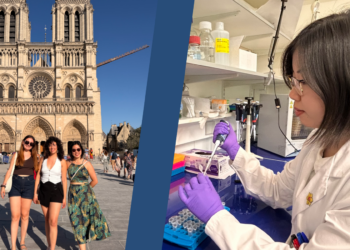
Whilst I was in Adelaide I was taking part in group lab meetings, learning new techniques in tumour explant culturing and optimising methods for performing Hi-ChIP on the explants in order to determine 3D DNA conformation. It was additionally great to observe the fantastic link the research group have with surgeons and pathologists in order to make the translational explant work possible.
What were you able to do that you could not have achieved in your home lab?
The Butler group are receiving 2-4 prostate biopsies a week from men undergoing radical prostatectomy surgery, this surgery is not routinely performed in Belfast and therefore access to primary tissue is somewhat limited. It was great to work with this primary tissue and learn methods in culturing and drugging patient explants to generate highly translational and informative data, with patient explants responding differently to treatment, more similar to what you would see in a clinical setting.

Did you take part in any interesting local/cultural activities?
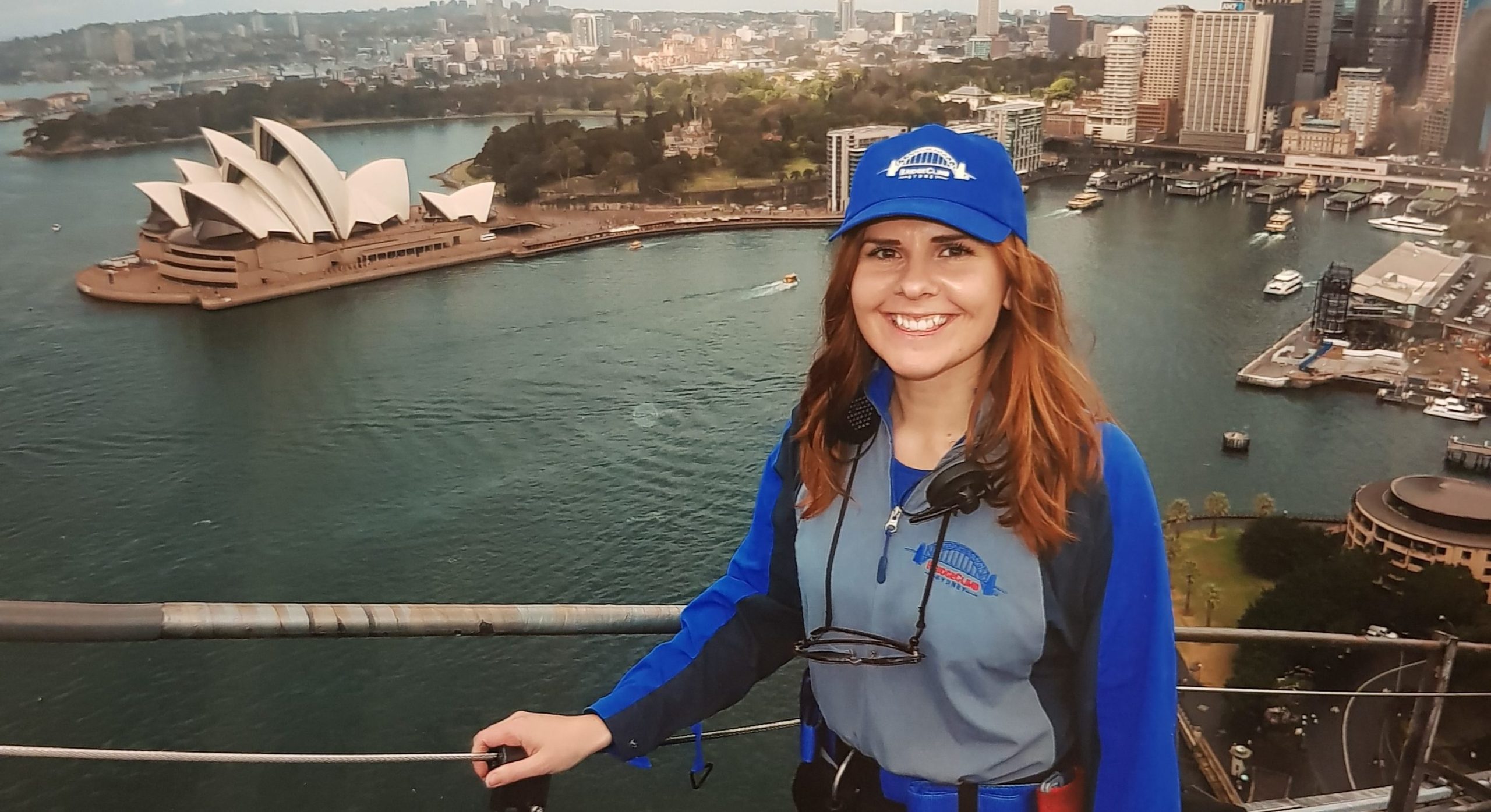
Whilst in Adelaide I went to an Australian Football League game at Adelaide Oval (although I understood very little of what was going on!) and enjoyed a number of wine tasting tours in nearby vineyards and took a road trip along the Great Ocean Road. I also visited Sydney on my way home and had the opportunity to climb the Sydney Harbour Bridge, which was a truly memorable experience!
How has the trip inspired you in your research?
It was a great visit to a lab literally the other side of the world. Everyone in the group and centre was extremely welcoming and highly motivated, keen to share their knowledge or hear about alternative methods. The visit has inspired me to use more clinically relevant models in my own research and help with the development of these in my own centre back in Belfast. Developing explant models would be of benefit and of interest to many other research groups in my centre wishing to study a drug of interest in a more clinically relevant context, regardless of the cancer type. Research using such models can only accelerate preclinical drugs becoming therapeutic options for patients and additionally help to determine what may cause a certain subgroup of patients to not respond to treatment prior to clinical trial initiation.
I would encourage other EACR researchers (and already have encouraged PhD students in my own group) to apply for the EACR travel fellowship and experience working in another lab, learning new techniques and tie in a little bit of travelling and culture at the same time.