The Cancer Researcher
  • Home
  • About
  • The Cancer Researcher Podcast
  • #KeepResearchCurious
No Result
View All Result
  • Home
  • About
  • The Cancer Researcher Podcast
  • #KeepResearchCurious
No Result
View All Result
The Cancer Researcher
No Result
View All Result

The most popular genes in the human genome

November 28, 2017
The most popular genes in the human genome

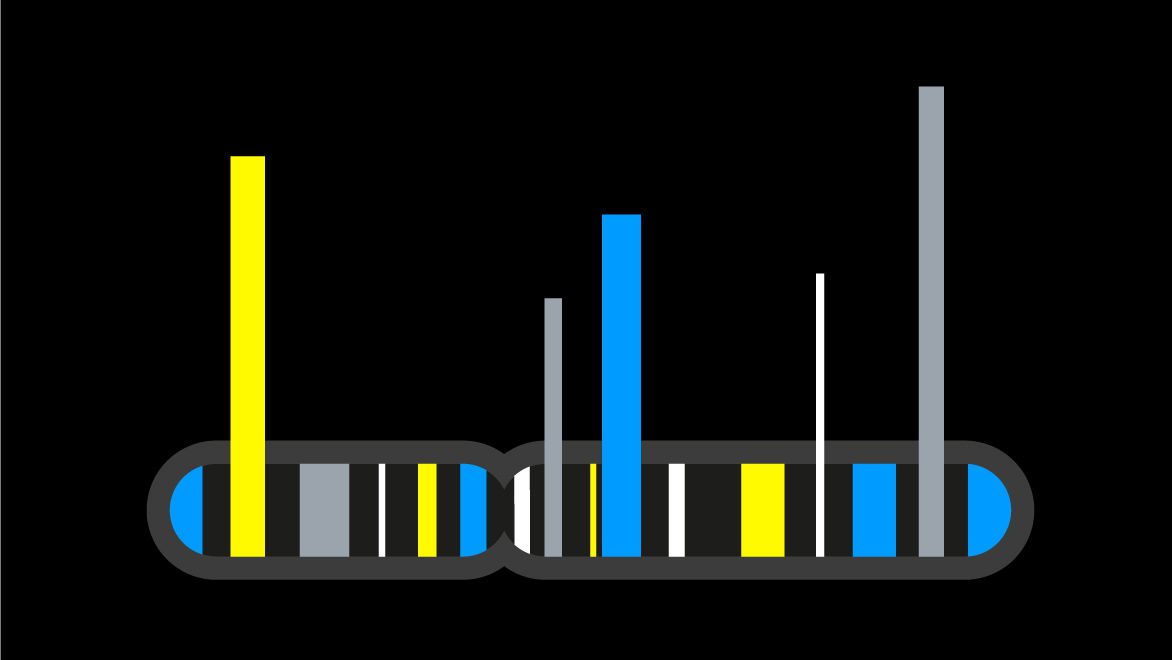
A fascinating recent news feature published by Nature describes how one US researcher “compiled a list of the most studied genes of all time — a sort of ‘top hits’ of the human genome”.

The overwhelming winner in this gene popularity contest was the gene TP53 and the protein it produces, p53. Readers will know TP53 as a tumour suppressor, mutated in roughly half of all human cancers and widely known as the ‘guardian of the genome’.

But the chart held some surprises – including how little research is done on some genes. Our of around 20,000 protein-coding genes in the human genome, just 100 accounted for one quarter of the papers covered in the study.

Genes also go in and out of popularity, such as the pre-1980s focus on haemoglobin genes, or the late 1980s to 1990s attention on CD4 that was partly led by efforts to tackle the emerging AIDS crisis.

Click here to read the full news feature by Nature

The Top 5 ‘Most Studied’ Genes

TP53

The tumour-suppressor, mutated in roughly half of all human cancers

TNF

Tumour necrosis factor, a drug target for cancers and inflammatory disease

EGFR

Epidermal growth factor receptor, a membrane-bound receptor protein often mutated in drug-resistant cancers

VEGFA

Vascular endothelial growth factor A promotes growth of blood vessels

APOE

Apolipoprotein E has important roles in cholesterol and lipoprotein metabolism

[td_smart_list_end]

Related Posts

Mac4Me Consortium concludes the second meeting and in-person doctoral training session in Nottingham

Mac4Me Consortium concludes the second meeting and in-person doctoral training session in Nottingham

June 19, 2026

The Horizon Europe MSCA Doctoral Network Mac4Me (Macrophage Targets for Metastatic Treatment), of which the EACR is an Associated Partner, concluded its second consortium meeting and...

VIDEO | Bridging Spatial Proteomics and Transcriptomics: Multimodal Integration for Deeper Insight and Clinical Translation

VIDEO | Bridging Spatial Proteomics and Transcriptomics: Multimodal Integration for Deeper Insight and Clinical Translation

June 17, 2026

Click above to watch "Clear insights into spatial biology technologies and their applications in cancer and immunology research." – feedback from a participant On 02 June...

VIDEO | Still Spending Hours on Wound Healing Analysis?

VIDEO | Still Spending Hours on Wound Healing Analysis?

June 17, 2026

Click above to watch "Alway focused at the latest state of art. Presented very clearly, consistently, in a structured way and adaptable to a large professional...

The Cancer Researcher EACR logo

About Us

The Cancer Researcher is an online magazine for the cancer research community from the European Association for Cancer Research.

The EACR, a registered charity, is a global community for those working and studying in cancer research. Our mission is “The advancement of cancer research for the public benefit: from basic research to prevention, treatment and care.”

Advertisement Advertisement Advertisement
ADVERTISEMENT

RECENT POSTS

Mac4Me Consortium concludes the second meeting and in-person doctoral training session in Nottingham
News

Mac4Me Consortium concludes the second meeting and in-person doctoral training session in Nottingham

June 19, 2026
Irene Casanova Salas two years into her EACR-AstraZeneca Postdoctoral Fellowship
Career

Irene Casanova Salas two years into her EACR-AstraZeneca Postdoctoral Fellowship

June 4, 2026
The Cancer Researcher

© 2025 EACR

Navigate site

  • About
  • Privacy
  • Main EACR website

Follow us

No Result
View All Result
  • Home
  • About
  • The Cancer Researcher Podcast
  • #KeepResearchCurious

© 2025 EACR