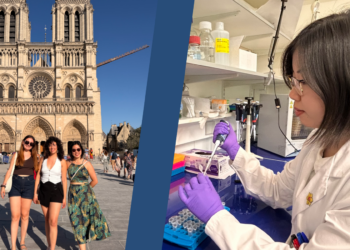

Based in Sweden, Kerryn Elliott works with bioinformaticians to look at how the Sun’s UV light causes DNA damage using cells grown from human cancers such as melanomas.

24 September is World Cancer Research Day, which raises awareness of the important and lifesaving work done by researchers. As part of this the EACR asked a variety of members to share a day in their life as a cancer researcher.
Name: Kerryn Elliott
Nationality: Australia
Place of work: University of Gothenburg, Sweden
Job title: Senior postdoc
How long have you worked there: 7 years

A typical day at work involves a lot of reading, searching and planning. When I perform an experiment, the protocols are worked out in detail first. Many of the experiments I do involve growing cells which were isolated from human cancers, such as melanomas, and growing them in the lab. These cells are then treated with UV light. The DNA from these cells is extracted and processed further to look for the damage caused by the UV light treatment using Next Gen Sequencing methods. Many of these experiments take several days to perform. Thankfully they often involve overnight incubations, allowing me to go home to my family! Being a scientist means you need to be flexible, sometimes experiments require you to stay late. However, on other days you can leave early and enjoy the sunshine.
My role in my current lab is a fairly unique one. The rest of my lab are bioinformaticians and I am the sole “wet lab” person. I am the one who generates the data! However, this allows me complete flexibility in the experiments I prioritise. I get great feedback from the rest of the lab about what worked well or didn’t work. It is challenging though when things don’t go as planned, as is often the case with science, as there are no people to troubleshoot with, which is a large part of research! Luckily there are a lot of skilled people in the Institute who can help though!
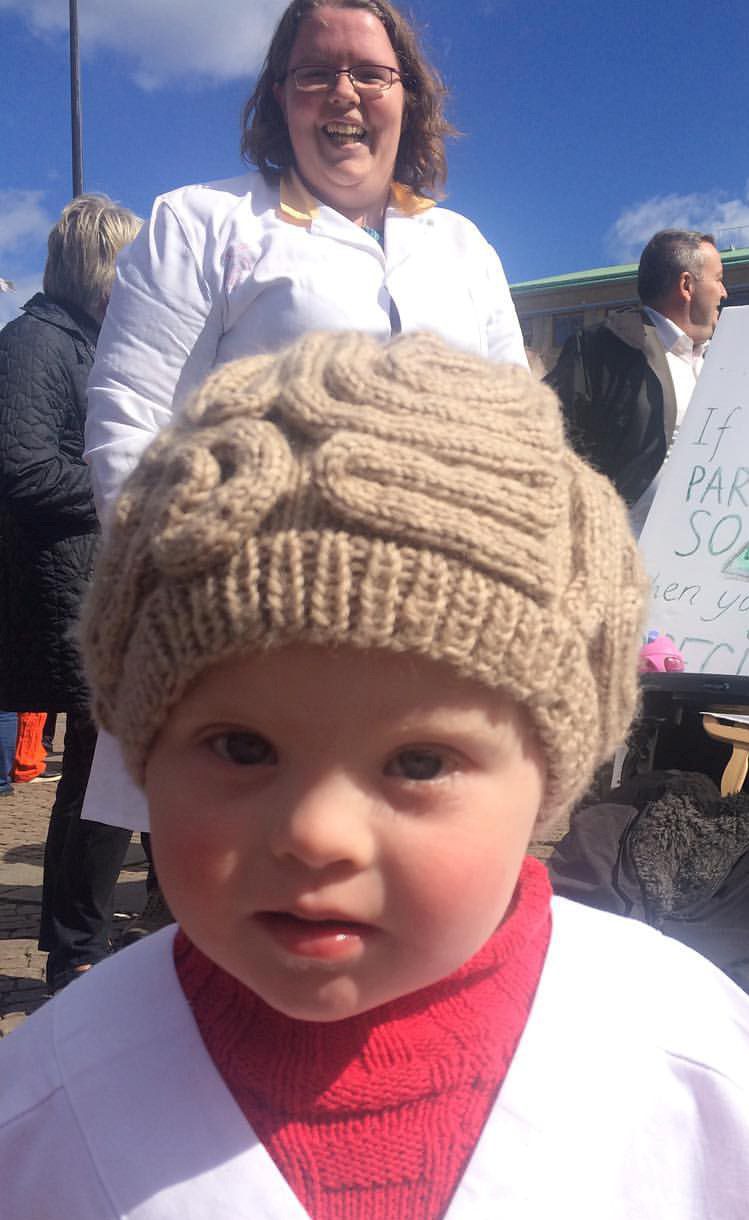
Outside of the lab, I enjoy spending time with my family in the fantastic nature surrounding us here in Gothenburg, Sweden. I moved to Sweden from Australia as I love to travel and wanted to live in Europe. Particularly in a place like Sweden where I have been able to learn a new language whilst being able to get by with English, as Swedes are very highly skilled English speakers. I also like to bake cakes, and particularly enjoy science themed cakes (below). One favourite baking related object was when I made a Trisomy 21 karyotype out of sour worms to celebrate World Down Syndrome Day, as my daughter has Down Syndrome.

I thoroughly enjoy working as a cancer researcher. It is a very rewarding job, particularly on those rare days when the results make perfect sense! I have the opportunity to understand and research aspects of cancer. Aspects that may one day lead to early detection of cancer and increase the survival of patients. And who can complain about that!
How can you get involved with World Cancer Research Day?
1. Sign the World Declaration for Cancer Research
2. On 24 September share a snapshot on social media from a day in your life as a cancer researcher: use #WorldCancerResearchDay
Click here to see more posts about a ‘Day in the Life’ of other cancer researchers.
About Kerryn’s work:
I work closely with a team of computational biologists to develop methods to understand the processes that cause alterations in our DNA. DNA changes cause a normal cell to become a cancer and grow uncontrollably. In order to prevent cancer, we need to understand the processes which cause these mutations. I have been looking specifically at how the UV light from the sun produces DNA damage, and why certain sites in our DNA change more frequently.